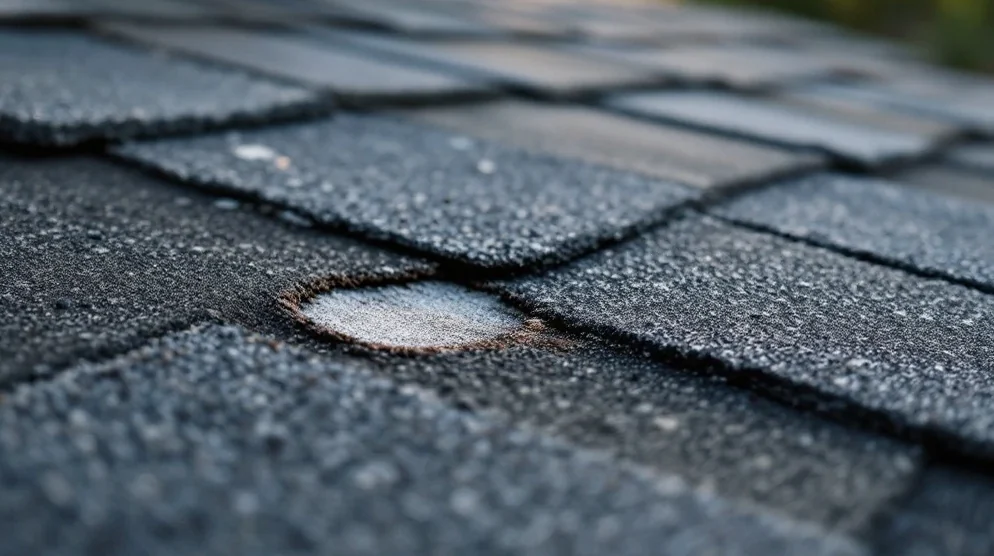
What are the signs you need Roof Leak Repair?
The most obvious signs you need roof leak repair are water stains on ceilings or walls, missing or damaged shingles, mold or mildew in the attic, and dripping water during rain. In Birmingham, heavy storms and humidity make leaks more common, so catching these signs early saves money and prevents bigger problems.
Water stains on your ceiling or walls are the most common red flag. They often start as small yellow or brown spots but grow if the leak isn't fixed. In Birmingham's older homes, these stains might appear near chimneys or vents where flashing has worn out.
Missing or curled shingles are another giveaway. High winds from spring storms or summer thunderstorms can tear shingles loose. If you see granules in your gutters or bald spots on your roof, it's time for an inspection.
Mold or mildew in the attic signals trapped moisture. Birmingham's humidity keeps wood damp, which rots decking and attracts pests. Musty smells or black spots on rafters mean water's getting in somewhere.
Dripping water during rain is a late-stage warning. By this point, the leak has likely damaged insulation or wiring. If you hear water in the walls or see puddles in the attic, call a roofer immediately.
The warning signs to watch for
Watch for water stains, sagging roof decks, peeling paint, and higher energy bills. These subtle signs often appear before major leaks, especially in Birmingham's climate where heat and rain accelerate roof wear.
Sagging roof decks mean water has soaked into the plywood underneath your shingles. This happens slowly in Birmingham because humidity keeps the wood damp long after a storm. Press gently on your ceiling; if it feels spongy, the deck might be rotting.
Peeling paint near roof edges or on exterior walls often points to hidden leaks. Moisture seeps under the paint as it travels down from the roof. In older Birmingham neighborhoods like Crestwood or Avondale, this is common with original wood siding.
Higher energy bills can signal roof trouble. If your attic insulation gets wet, it loses R-value, making your AC work harder. A sudden spike in summer cooling costs might mean a leak you haven't spotted yet.
Ice dams aren't common here, but if you see them after a rare freeze, they'll tear up shingles fast. Check for damage near gutters once the ice melts.
- Dark streaks on shingles (algae growth from moisture)
- Rusty nails or flashing (indicates long-term water exposure)
- Cracked or blistered shingles (sun damage from Birmingham's hot summers)
What causes these problems in Birmingham
Birmingham's mix of heavy rain, high humidity, and temperature swings wears out roofs faster than in drier climates. Poor installation, storm damage, and aging materials are the main culprits behind leaks here.
Spring and summer storms dump rain fast, overwhelming old gutters and flashing. If your home's in a hilly area like Red Mountain, water can pool near valleys or chimneys where seals fail first.
Humidity warps roof decking over time. Unlike out west where roofs dry quickly, Birmingham's moisture lingers, softening wood and loosening nails. This lets shingles shift and break their waterproof seals.
Cheap or incorrectly installed shingles fail early here. Some roofers use staples instead of nails to save time, but staples pull out in high winds. If your roof was done after a big storm, check the installation quality.
Older homes in neighborhoods like Forest Park or Highland Park often have original slate or wood roofs. These materials last decades but need specialized repairs when leaks start.
What happens if you ignore the signs
Ignoring roof leaks leads to rotted framing, mold infestations, and electrical hazards. In Birmingham, delayed repairs often cost 3-5 times more due to hidden damage from prolonged moisture exposure.
Rotted roof decking requires full replacement once it's soft. Unlike a simple shingle fix, this means tearing off the entire roof layer. Homes with poor attic ventilation, common in Birmingham's 1950s ranches, rot fastest.
Mold spreads behind walls where leaks go unnoticed. Remediation means cutting out drywall and treating studs. Healthwise, black mold triggers allergies and asthma, which are already high here due to pollen.
Water near electrical fixtures risks shorts or fires. Attic junction boxes and recessed lights are especially vulnerable. If your breakers trip after rain, stop using those circuits until a roofer checks it.
Structural damage is the worst-case scenario. Long-term leaks weaken rafters and trusses. We've seen homes in Ensley where the ceiling collapsed under soaked insulation after years of neglect.
Frequently Asked Questions
Can I just patch a small leak myself?
Temporary patches with tar or sealant might work for a few weeks, but Birmingham's rain will find its way back in. Shingles need proper sealing with underlayment and flashing to last. DIY fixes often miss hidden damage in the decking.
How long can I wait to fix a leak?
Every storm makes it worse. Within months, a small leak can rot wood or ruin insulation. Schedule repairs within 2-3 weeks max, especially before Birmingham's rainy season from March to August.
Will my homeowners insurance cover this?
Most policies cover sudden damage like storm-torn shingles but not slow leaks from wear and tear. Document the damage with photos after a storm and call your insurer before repairs start.
Why do I see leaks only sometimes?
Leaks often follow wind direction or roof slope. A south-facing leak might only drip during storms from that direction. In Birmingham, northwest winds push rain differently than summer southerly ones.
Are some roofs more leak-prone in Birmingham?
Flat or low-slope roofs struggle here because water pools. Older modified bitumen roofs crack in summer heat. Tile roofs last longer but need careful flashing around hips and ridges.
Can a roof leak cause foundation issues?
Indirectly. If gutters clog from roof debris, overflow water saturates the soil near your foundation. Birmingham's clay soil expands when wet, leading to cracks. Keep gutters clean to avoid this chain reaction.
How do I find the leak source if the attic is dry?
Check where plumbing vents or HVAC lines penetrate the roof. These seals fail over time. Run a hose on the roof while someone watches the attic; start low and work up to avoid flooding.
Will a new roof prevent all leaks?
Not if the underlying issue isn't fixed. Poor attic ventilation causes ice dams and condensation. Skylights or chimneys need proper flashing. A quality roofer will diagnose these before installing new materials.
Need roof leak repair in Birmingham? Get a free estimate today.
📞 256-363-5379