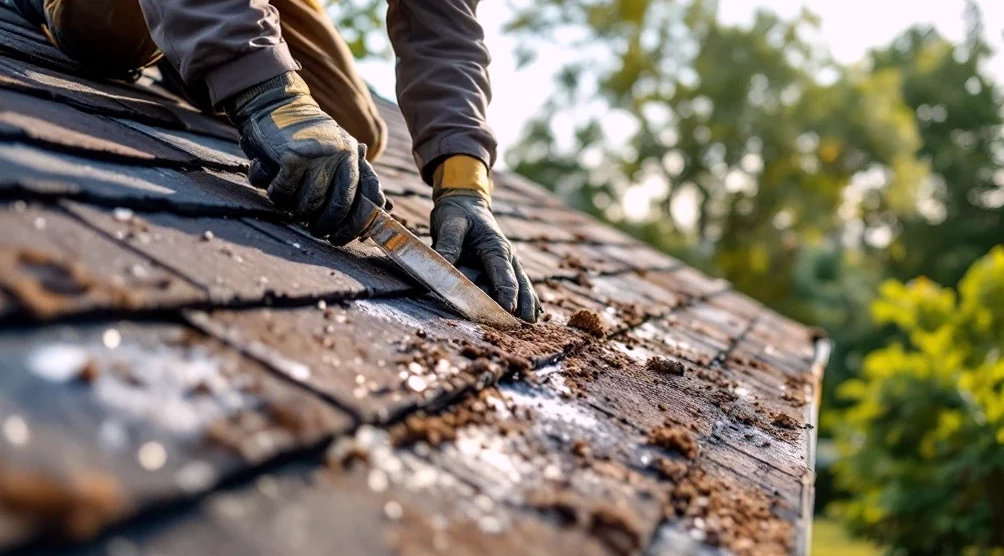
What is Roof Leak Repair and how does it work?
Roof leak repair involves identifying the source of a leak, fixing the damaged area, and ensuring your roof is watertight. It's a precise process that requires expertise to prevent further damage and maintain your home's integrity.
Roof leak repair isn't just patching a hole. It's about finding where the water is getting in, which isn't always obvious. Water can travel along rafters or drip down from a higher point before it shows up on your ceiling. A professional will inspect your roof thoroughly to pinpoint the exact source.
In Birmingham, where summer storms can dump heavy rain in a short time, even a small leak can lead to big problems. Mold, rotting wood, and damaged insulation are just a few of the issues that can arise if a leak isn't fixed quickly. That's why it's crucial to act fast when you notice signs of a leak.
The repair process often involves replacing damaged shingles, sealing flashing, or fixing underlayment. Sometimes, the problem isn't with the shingles at all but with the chimney, skylights, or vents. A good roofer will check all these areas to make sure the repair is comprehensive.
Once the leak is fixed, a roofer will usually inspect the surrounding areas to ensure there's no hidden damage. They might also recommend additional maintenance to prevent future leaks, like cleaning gutters or trimming overhanging branches.
It's important to hire a local roofer who understands Birmingham's weather patterns. They'll know how to address issues specific to our area, like how to handle the humidity that can cause condensation or the heavy rain that tests even the best roofs.
How Roof Leak Repair works, step by step
Roof leak repair starts with a thorough inspection to locate the leak, followed by repairing the damaged area and ensuring the roof is secure. The process is methodical to prevent future issues and protect your home.
The first step is always a detailed inspection. A roofer will climb onto your roof to look for damaged shingles, cracked flashing, or other signs of wear. They'll also check the attic for water stains, mold, or damp insulation, which can help pinpoint the leak's source.
Once the problem area is identified, the roofer will remove any damaged materials. This might involve pulling up shingles, cutting out rotted wood, or replacing worn-out flashing. They'll make sure to clean the area thoroughly before making any repairs.
Next comes the actual repair. This could mean installing new shingles, sealing gaps with roofing cement, or replacing sections of underlayment. The goal is to create a watertight seal that will hold up against Birmingham's heavy rains and humidity.
After the repair, the roofer will test their work. They might spray water on the repaired area to make sure it's completely sealed. They'll also inspect the surrounding areas to ensure there's no hidden damage that could cause problems later.
Finally, the roofer will clean up the site, removing any debris or leftover materials. They'll also give you a detailed report of what they found and what they did to fix it. This report can be useful for future maintenance or if you decide to sell your home.
Why Roof Leak Repair matters for your home
Roof leak repair is essential to protect your home from water damage, mold, and structural issues. Ignoring a leak can lead to costly repairs down the line and compromise your home's safety and comfort.
Water damage is one of the most destructive forces a home can face. Even a small leak can lead to rotting wood, mold growth, and damaged insulation. Over time, these issues can weaken your home's structure and create health hazards for your family.
In Birmingham, where humidity levels are high, mold can grow quickly in damp areas. Mold isn't just unsightly; it can cause respiratory problems and other health issues. Fixing a leak promptly can prevent mold from taking hold in your home.
A leaking roof can also damage your home's interior. Water stains on ceilings, peeling paint, and warped walls are all signs of a leak. If left unchecked, these issues can escalate, requiring expensive repairs to drywall, flooring, and even electrical systems.
Beyond the structural damage, a leak can affect your home's energy efficiency. Waterlogged insulation loses its effectiveness, making your HVAC system work harder to keep your home comfortable. This can lead to higher utility bills and unnecessary wear on your heating and cooling equipment.
Finally, a well-maintained roof is crucial for your home's resale value. Buyers are wary of homes with a history of leaks, and a damaged roof can be a deal-breaker. Investing in timely repairs can save you money in the long run and make your home more attractive to potential buyers.
Common problems and what causes them
Common roof leak problems include damaged shingles, cracked flashing, and clogged gutters. These issues often stem from age, weather, or lack of maintenance, and they can lead to significant water damage if not addressed.
Damaged shingles are one of the most common causes of roof leaks. Over time, shingles can crack, curl, or go missing due to wind, rain, or sun exposure. In Birmingham, where summer storms can be intense, shingles are particularly vulnerable to damage.
Cracked flashing is another frequent issue. Flashing is the metal or rubber material used to seal joints around chimneys, vents, and skylights. When it cracks or becomes loose, water can seep into your home. This is especially problematic in older roofs where the flashing may have deteriorated.
Clogged gutters can also lead to roof leaks. When gutters are blocked with leaves, twigs, or debris, water can back up and seep under the roof's edge. In Birmingham, where trees are abundant, gutter maintenance is crucial to prevent this problem.
Ice dams are less common here but can still occur during rare cold snaps. When snow melts and refreezes at the roof's edge, it can create a dam that traps water. This water can then seep under the shingles and cause leaks. Proper insulation and ventilation can help prevent ice dams.
Poor installation or previous repairs can also be a source of leaks. If shingles or flashing weren't installed correctly, they may not provide a proper seal. Similarly, a patch job that wasn't done thoroughly can leave gaps where water can enter. That's why it's important to hire a reputable roofer for any repairs.
Frequently Asked Questions
How do I know if I have a roof leak?
Look for water stains on your ceiling or walls, mold growth, or damp insulation in your attic. You might also notice missing or damaged shingles on your roof. If you see any of these signs, it's time to call a professional.
Can I fix a roof leak myself?
While small repairs like replacing a shingle might seem doable, roof leak repair is best left to professionals. They have the tools and expertise to find the leak's source and ensure the repair is done correctly.
How long does roof leak repair take?
It depends on the severity of the leak and the extent of the damage. A simple repair might take a few hours, while more complex issues could take a day or more. Your roofer will give you a timeline after the inspection.
Will my insurance cover roof leak repair?
It depends on your policy and the cause of the leak. Damage from storms or fallen trees is often covered, but wear and tear usually isn't. Check with your insurance provider to understand your coverage.
How often should I inspect my roof for leaks?
It's a good idea to inspect your roof at least twice a year, in spring and fall. After a major storm, check for any signs of damage. Regular inspections can help catch leaks early.
What's the best way to prevent roof leaks?
Regular maintenance is key. Keep your gutters clean, trim overhanging branches, and inspect your roof for damage. Addressing small issues early can prevent bigger problems later.
Can a roof leak affect my home's insulation?
Yes, water can soak into insulation, reducing its effectiveness. Wet insulation can also lead to mold growth and wood rot. If you suspect a leak, have your insulation checked.
What should I do if I find a leak during a storm?
Place a bucket under the leak to catch water and move any valuables out of the way. Once the storm passes, call a roofer to assess the damage and make repairs as soon as possible.
How do I choose a reliable roofer in Birmingham?
Look for a licensed, insured roofer with good reviews and local experience. Ask for references and check their work history. A reputable roofer will provide a detailed estimate and warranty for their work.
What's the difference between a patch and a full roof repair?
A patch fixes a specific problem area, like a damaged shingle or cracked flashing. A full roof repair addresses multiple issues and may involve replacing larger sections of the roof. Your roofer will recommend the best approach based on the damage.
Need roof leak repair in Birmingham? Get a free estimate today.
📞 256-363-5379